

An Active Ingredient Needs a Target
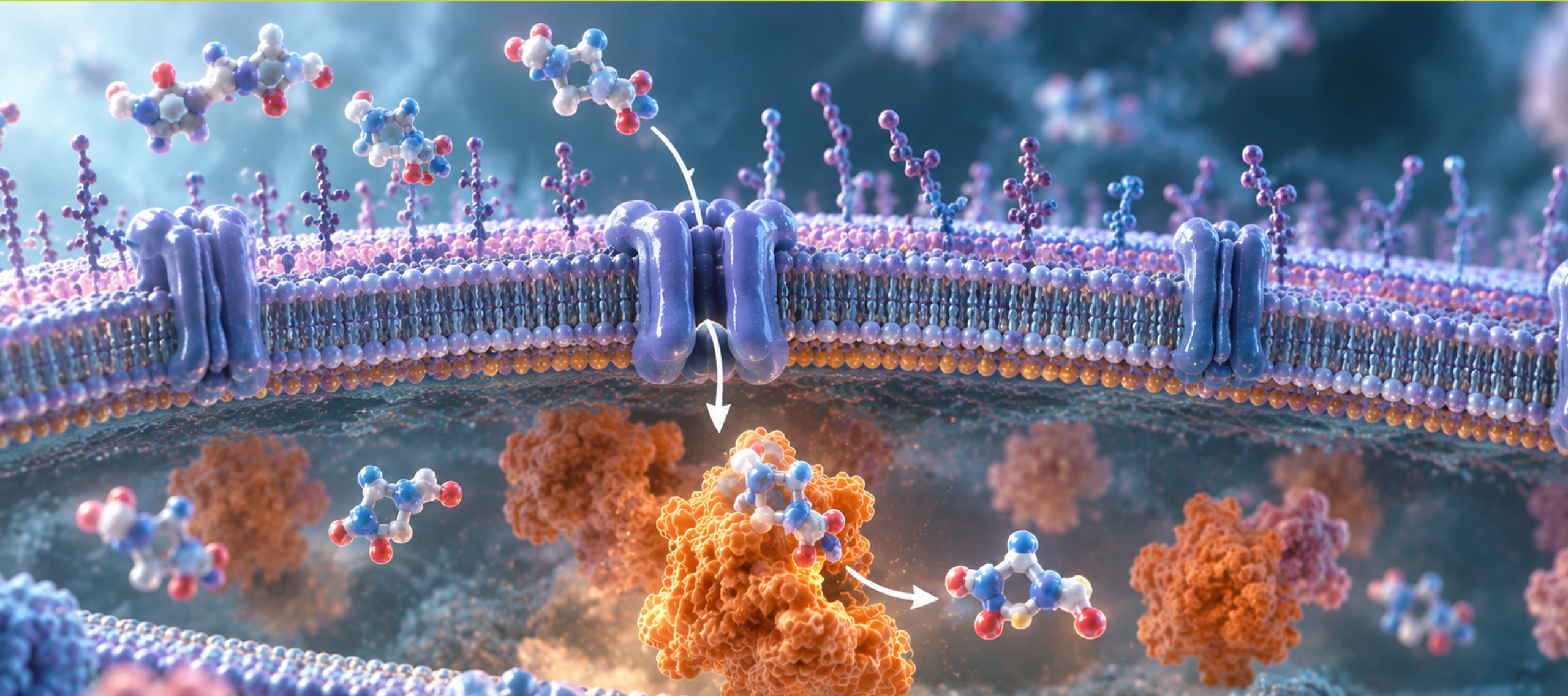
For an antibiotic to be effective, it must sufficiently disrupt a vital process within the bacterial cell. Penicillins, for example, block enzymes needed to build a stable cell wall. Other antibiotics prevent the production of proteins or disrupt the replication of genetic material. As a result, susceptible bacteria can no longer multiply or die off.
Resistant bacteria possess characteristics that render a specific antibiotic ineffective. There are several ways this can happen. One example is particularly illustrative: The bacterium produces an enzyme that breaks down the active ingredient. The antibiotic is present but can no longer fulfill its function.
ESBLs and Carbapenemases: The Active Ingredient Becomes Ineffective
ESBLs, or extended-spectrum beta-lactamases, work exactly according to this principle. These enzymes can render numerous penicillins and cephalosporins ineffective. Bacteria such as Escherichia coli or Klebsiella pneumoniae can produce them.
Carbapenemases can also break down carbapenems. This is particularly problematic because these antibiotics are needed to treat certain infections that are difficult to manage. Carbapenemase-producing bacteria from the Enterobacterales group are referred to as CPEs.
Other forms of resistance are based on an altered site of action. In MRSA, or methicillin-resistant Staphylococcus aureus, an additional enzyme, which is difficult for most beta-lactam antibiotics to inhibit, enables continued cell wall synthesis. In VRE, or vancomycin-resistant enterococci, the cell wall components to which vancomycin normally binds are altered.
Bacteria can also allow less of the active ingredient to enter or pump it back out using special pumps. Several of these mechanisms can occur simultaneously and contribute to resistance against multiple classes of antibiotics.
Which Types of Resistance Are Particularly Common
This depends on the pathogen, the antibiotic, and the area being studied. In Germany in 2024, for example, approximately half of the E. coli samples tested were resistant to aminopenicillins such as ampicillin or amoxicillin. Resistance to fluoroquinolones and certain third-generation cephalosporins was also common.
These figures are based on analyses of blood and cerebrospinal fluid samples. They thus reflect clinical findings. The distribution in wastewater or other environments must be investigated separately.
When Resistance Provides an Advantage
Some resistance traits are inherent. Others arise from genetic mutations or are acquired through additional genes.
The key factor is the conditions under which the bacteria live. When an antibiotic is administered, susceptible bacteria are inhibited. Resistant bacteria, on the other hand, can survive and continue to multiply. As a result, their proportion within a microbial community can increase.
Added to this is the exchange of genetic information. Resistance genes can be located on plasmids, additional DNA molecules that can be transferred between bacteria. A single plasmid can carry multiple resistance genes.
A resistance trait can thus spread beyond the offspring of a single bacterium. Under certain conditions, it can even spread between different bacterial species.
What a Wastewater Sample Reveals
Every day, bacteria from households and hospitals enter wastewater treatment plants along with the wastewater. Their resistance genes arrive with them. Wastewater samples thus provide an additional means of monitoring their spread.
vermicon detects selected resistance genes using quantitative PCR and determines their abundance. These include genes for ESBL and carbapenemases. Repeated testing can reveal changes in the detected resistance genes. For reliable comparisons, sampling methods and varying dilutions of the wastewater must also be taken into account.
Correct interpretation remains crucial: Gene detection initially shows that the corresponding genetic information is present in the sample. Which living bacteria carry these genes and how their resistance actually manifests must be investigated further.
Therefore, anyone who wants to understand antibiotic resistance must also track its spread. The wastewater sample taken at the inlet of a wastewater treatment plant provides insight into what is coming together from many households and facilities.